1st semester
DC1 FRANCISCO JAVIER SUAREZ LOPEZ (GENAR)
September 2025: Arrival at the host laboratory and initial familiarization with ongoing project, datasets, pipelines and literature. Training in the bioinformatic tools and workflows used for data processing and downstream analyses.
October 2025: In-depth study and implementation of software tools for the visualization and interpretation of repeat patterns, length and mosaicism in DM2.
November 2025: Integration and comparison of multi-platform LRS sequencing data to support, validate and refine tandem repeat characterization in DM2.
December 2025: Continued LRS data analysis to characterize DM2 repeat expansions, including initiation of comprehensive methylation analyses, data visualization and refinement of analytical tools.
January 2026: Evaluation and benchmarking of tools for methylation data extraction, analysis, and visualization. Refinement of analytical workflows to ensure accurate detection and interpretation of methylation patterns in DM2. First ENTRY-DM network-wide training event in Paris.
February 2026: Analyses of methylation profile and consolidation of results.
DC11 vasilina gavra (INSERM)
October 2025: Completed lab safety training and onboarding procedure. Reviewed key literature related to the project topic. Learned basic laboratory techniques and standard operating protocols. Became familiar with equipment, software, and data management systems. Held initial meetings with supervisor to define research objectives and prioritize needs.
November 2025: Completed training in sterile techniques and cell culture handling. Became familiar with myoblast cell lines, including routine culture and maintenance. Performed amplification of cell lines and established frozen stocks for future use. Conducted bibliography research and participated in brainstorming to evaluate and select the most suitable extracellular vesicle (EV) isolation strategy
December 2025: Received training on in vitro differentiation of myoblasts into myotubes. Performed screening of differentiation conditions, including plating density, incubation time, supplement addition, and coating requirements. Compared multiple experimental conditions to determine the optimal protocol for myogenic differentiation. Evaluated the differentiation profile of different myoblast cell lines. Received training in the Jess protocol for protein quantification and standardized EV-related antibodies using DM1 cell lysates. Conducted preliminary testing of a candidate biomarker previously studied in the lab using ELISA, based on the mouse DM1 model.
January 2026: Initiated collaboration with the EV platform at Institut Curie. Expanded and scaled up myoblast cultures to obtain sufficient material for extracellular vesicle (EV) production. Conducted bibliography research on size exclusion chromatography (SEC) as a method for EV isolation. Attended the first ENTRY-DM network-wide training event (INSERM, Paris), and presented my PhD project during the meeting.
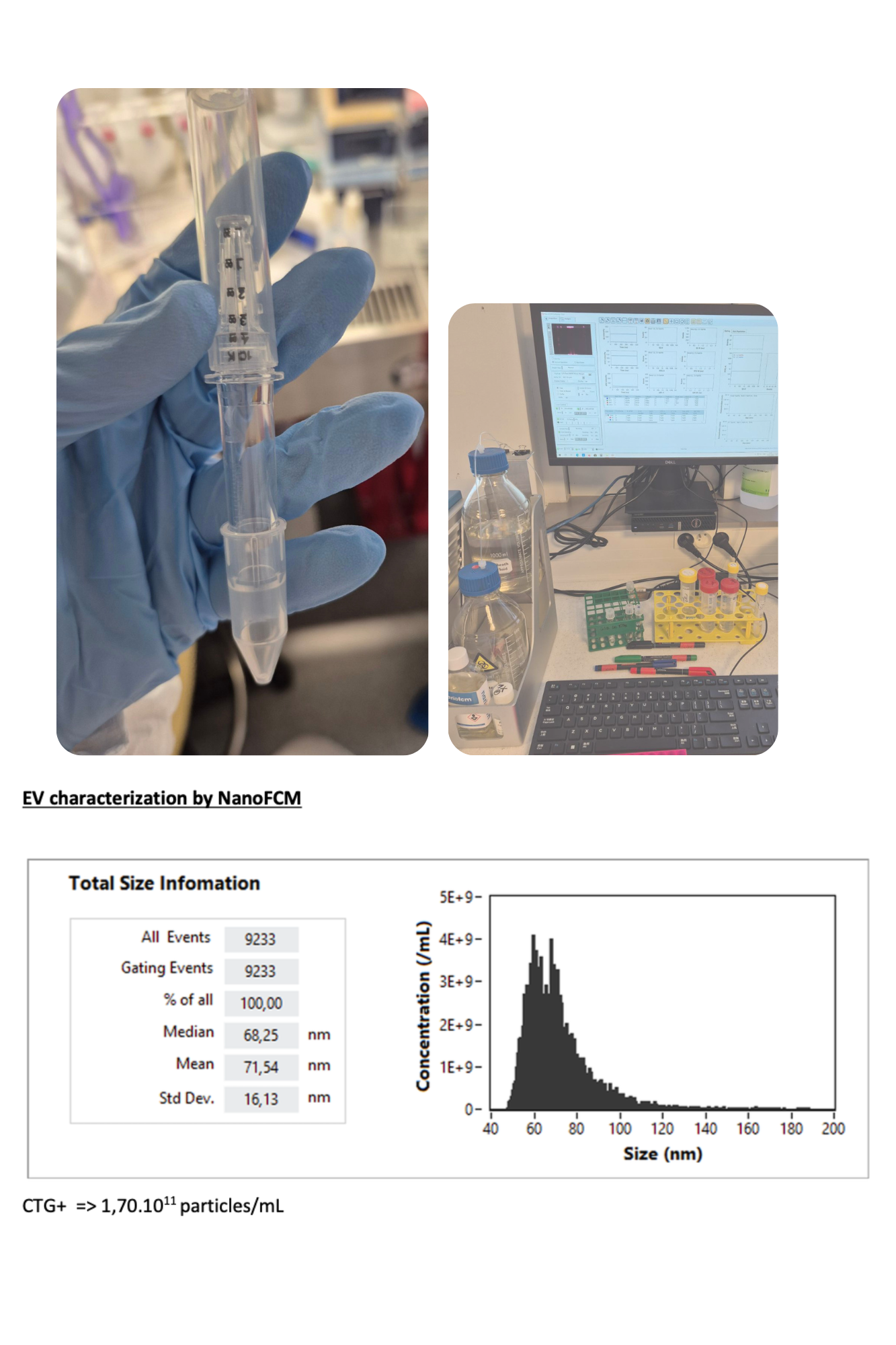
February 2026: Initiated collaboration with the Proteomics platform at Institut Curie. Received training and performed a first trial of EV isolation from differentiated myotubes. Conducted EV characterization and quantification using NanoFCM (size distribution and concentration analysis). Participated in troubleshooting and brainstorming sessions to optimize experimental conditions. Trained in RNA extraction from EVs using the miRNeasy Micro Kit. Analyzed and interpreted results from the first EV isolation experiment.
March 2026: Performed troubleshooting of myoblast differentiation to improve experimental consistency. Received training in RNA extraction and conducted splicing experiments to assess alternative splicing of genes relevant to DM1 in cell models. Continued evaluation of a candidate biomarker in a mouse model, focusing on its sensitivity to therapeutic response. Conducted a second EV isolation experiment. Performed initial proteomics analysis of EV samples to assess quality. Carried out Western blot analysis (Jess system) to evaluate EV marker enrichment and sample purity.
DC5 sofia gaspari (RUMC)
October 2025: I arrived at my host institution and started to know the spaces and complete the required documentation.
November 2025: I studied DM literature to better understand the state of the art of the topic of my project, and I outlined the research questions and the set up for my PhD trajectory. I also set up initial experiments.
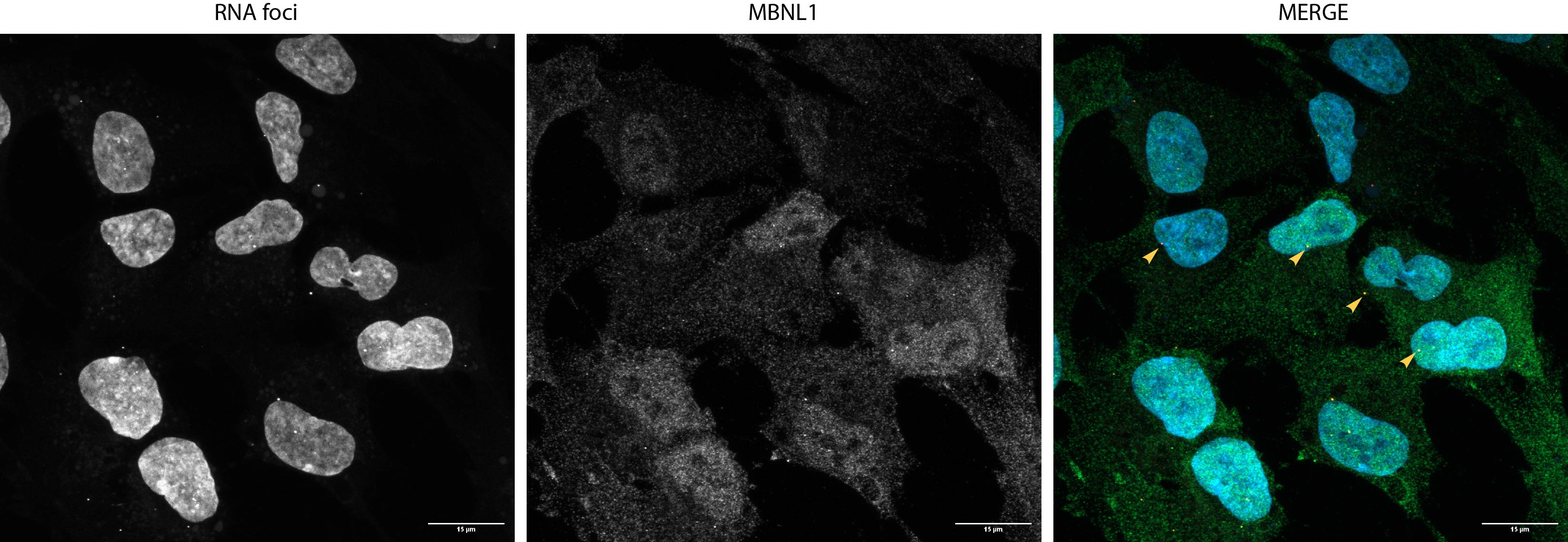
December 2025: I started performing cell culture and RNA FISH experiments, to gain confidence with the techniques and to start answering the research questions defined before. I also concluded some documentation. With my lab mates we started planning for the IDMC15 conference in May 2026.
January 2026: I started planning the new year experiments and activities. I attended the kick off meeting of ENTRY-DM in Paris where I presented my research project to the PI and DC team.
February 2026: I performed the experiments previously planned (FISH), and I designed and planned new ones. I designed and ordered new probes. I gave a presentation for the journal club of the department. With the other candidates we chose the new logo for the ENTRY-DM consortium.
March 2026: I continued with my experiments and started to design the poster for IDMC15 in May. I also participated in the first online ENTRY-DM training event.

DC7 ANTON SIMÕES (RUMC)
October 2025: Settling in, getting acquainted with the patient derived iPSCs, and the project. Learning from previous members and results.
November 2025: Starting a new stable cell line for patient 3 to be used to generate iNeurons.
December 2025: First test differentiations into iNeurons, to test new stabilized cell line. Learning, and differentiating patient derived iPSCs into human astrocytes.
January 2026: Restarting cell culture. Expanding patient derived and CRISPR-edited (Ctrl) cell lines, to generate a backup of vials to be used throughout the PhD.
February 2026: Tested differentiation efficiency of newly generated patient-derived stable cell line compared to its isogenic control in which the repeat expansion was excised via CRISPR-editing. Starting Astrocyte Differentiation to be used later for human-human co-cultures.
March 2026: Started first human-human co-culture with DM1 iNeurons and Astrocytes and their respective controls. Imaged first iNeurons and Astrocytes, to see if I can replicate previous results (about MBNL2 sequestration etc.). Started to collect RNA from human Astrocytes and iNeurons at different DIVs to get insights into which genes are alternatively spliced.
The image shows 28 day old iNeurons. They are generated from induced pluripotent stem cells (iPSCs) that come from a patient with Myotonic Dystrophy Type 1. Using a staining technique called FISH-IFA, multiple structures can be visualized. In Cyan we have the Nucleus. Red stains the RNA repeat expansions that show up as small puncta inside of the nucleus. And in Grey we have MAP2 which is a cytoskeleton marker that specifically labels neurons. The large nucleus visible in the top left corner belongs to a rat astrocyte. Co-culture with astrocytes is essential to support neuronal health and function, we are currently working on a protocol to incorporate patient-derived human astrocytes.
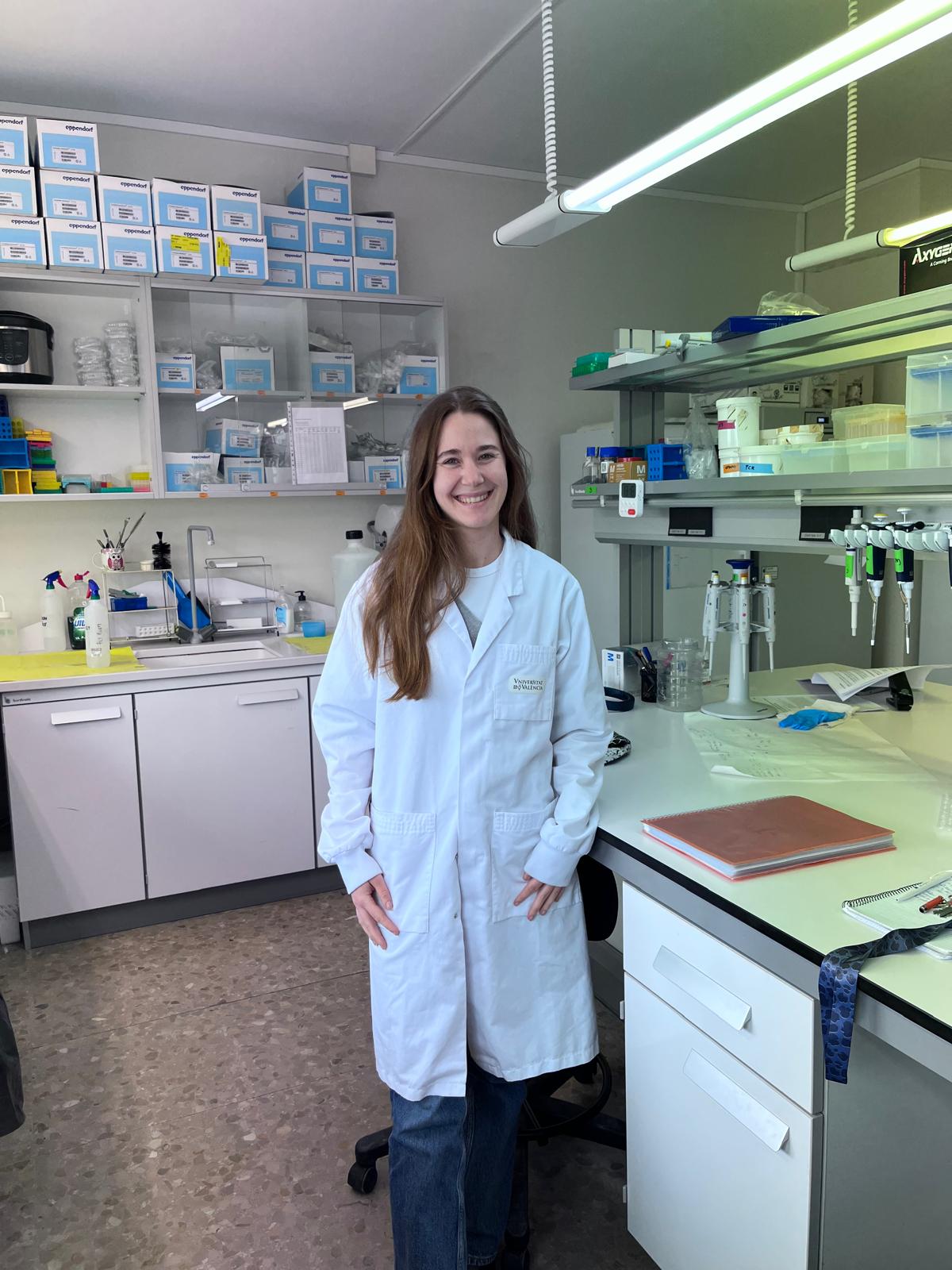
DC6 ÀNGELA NATIVIDAD I MATEU (UVEG)
October 2025: I was introduced to the laboratory members and all the facilities. I also began the process of obtaining my lab coat, university access card for entry to all buildings and facilities, and parking access. I initiated and completed the occupational risk prevention training course, compulsory for research staff at the University of Valencia.
November 2025: I had my first presentation at the lab meeting, where I presented the work carried out during my master’s thesis. Weekly meetings with my supervisors to plan future experiments. I began writing a systematic review together with DC9 on the latest advances in pipeline development for therapies for myotonic dystrophy type 1
December 2025: I started writing the Career Development Plan. We continued working on the manuscript on DM1 therapeutic pipelines. Weekly meetings with my supervisors to plan future experiments. I started my training in cellular culture. Christmas break.
January 2026: I registered for the International Myotonic Dystrophy Consortium (IDMC-15) and submitted two abstracts that got accepted. I reviewed my Career Development Plan with my supervisors and completed it. Following completion, we submitted it. I prepared and sent myotonic dystrophy type 2 (DM2) biopsy samples for RNA-seq analysis at both the transcriptome level (messenger RNA) and the miRNome level (small RNAs). I had an online meeting with my supervisor for my first secondment at Adam Mickiewicz University (AMU) in Poznań, Poland. We continued working on the manuscript on DM1 therapeutic pipelines. Weekly meetings with my supervisors to plan future experiments. We held the first ENTRY-DM kick-off meeting with all PhD candidates in Paris, France.
February 2026: We completed the systematic review on DM1 pipelines together with DC9, and the manuscript has been submitted to a journal and is currently under review. I carried out my first two outreach activities within the ENTRY-DM doctoral network. Weekly meetings with my supervisors to plan future experiments. We initiated the writing of a second manuscript with the DM2 biopsies data results from the RNA-seq. I started and completed the first transversal activity of the Doctoral School from the University of Valencia: “Ethics of scientific research”
March 2026: I started and completed two more transversal activities at the Doctoral School of the University of Valencia: “Transfer of Research Results” and “Scientific Writing.” Weekly meetings with my supervisors to plan future experiments. We received the plasmid construct from AMU in Poznań, Poland and prepared and validated it for use in the laboratory. Fallas break (national festivity that only takes place in Valencia). I had two online training sessions within the ENTRY-DM network with the following topics: Research ethics and Open Science practices, FAIR science and data sharing, Gender equality: implementation of the gender-mainstreaming strategy and PI career path. I initiated pilot experiments in DM1 immortalized myoblasts to validate the TGF-β pathway as a regulator of the dysregulated miRNAs miR-23b and miR-218. These experiments were delayed due to mycoplasma contamination in the cell line, which was successfully eliminated, allowing the work to resume. In parallel, I conducted a complementary experiment using siRNA against SMAD3 in HeLa cells to further assess the role of the TGF-β pathway in regulating miR-23b and miR-218.
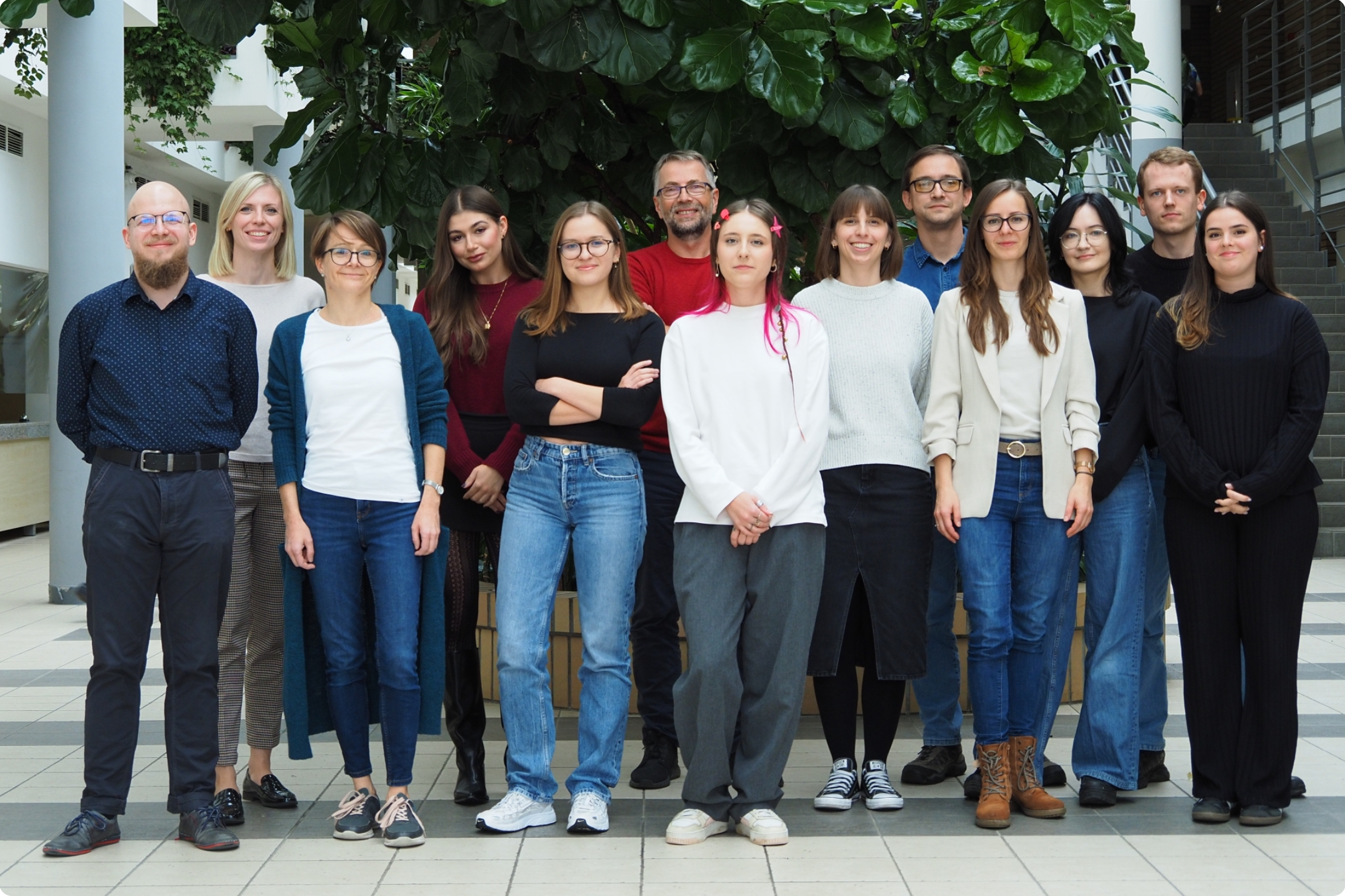
DC8 MIREIA GROMAZ (AMU)
October 2025: I conducted an extensive literature review of scientific papers related to my project and other publications from the host laboratory in order to understand the scientific background and ongoing research.
November 2025: I began performing preliminary experiments to become familiar with the laboratory techniques and workflows used in the group. During this time, I also started attending the courses included in the doctoral training program.
December 2025: I continued conducting preliminary experiments to further develop my technical skills and optimize experimental conditions. I also regularly attended weekly Friday seminars from the Faculty of Biology of Adama Mickiewicz University.
January 2026: I presented my preliminary results during lab meetings and received feedback from the research group. I also travelled to Paris for one week as part of the MSCA program, where I attended seminars and training activities.
February 2026: I reviewed literature on antisense oligonucleotide (ASO) design and explored different platforms and tools for designing ASOs. In parallel, I researched immortalized myoblast cell lines suitable for testing new ASOs.
March 2026: I am currently performing experiments in several cell lines using previously tested ASOs and analyzing their effectiveness using qPCR.

DC9 Yasmine Ferchichi (UVEG)
October 2025: Integration into the laboratory environment at the University of Valencia and completion of mandatory safety training. Familiarization with the host institution's facilities and laboratory equipment.
November 2025: Conducted extensive literature and bibliographic research relevant to the project's objectives. Observed experimental procedures performed by senior post-doctoral fellows to master specific MSCA protocols and began preliminary experimental setup.
December 2025: Initiated practical training with the HeLa EGFP IVS-654 reporter cell line, focusing on cell culture maintenance and optimization. Started preliminary testing of experimental protocols to evaluate antisense oligonucleotide (ASO) delivery.
January 2026: Continued systematic experimental runs using the established HeLa reporter system. Focused on refining the screening methodology and troubleshooting technical aspects of the intracellular delivery assays. Attended first network-wide training event in Paris.
February 2026: Continued systematic experimental runs using the HeLa EGFP reporter system to evaluate ASO activity. Focused on refining the screening methodology and troubleshooting technical aspects of intracellular delivery assays.
March 2026: Ongoing execution of cell-based assays and systematic documentation of experimental parameters. Focused on optimizing the consistency and reproducibility of the reporter system response.

DC12 Panagiotis strevinas (inserm)
October 2025:
• Completed lab safety training and onboarding procedures at the host institution.
• Reviewed key literature on myotonic dystrophy type 1 (DM1), with a focus on central nervous system (CNS) involvement and extracellular vesicles (EVs).
• Performed initial genotyping of DMSXL mice using PCR to identify WT and homozygous animals.
• Held introductory meetings with supervisors to define research objectives and establish experimental priorities.
November 2025:
• Received training in primary astrocyte isolation from mouse brain cortex. • Performed first dissections of DMSXL, heterozygous, and WT mice and isolated primary cortical astrocytes.
• Established astrocyte cultures and became familiar with routine maintenance and quality assessment.
• Continued genotyping of mouse litters to identify animals of the required genotypes (WT and homozygous).
• Attended the Sorbonne University Doctoral School Welcome Day (24 November 2025) and presented the PhD project as a poster.
December 2025:
• Continued primary astrocyte culture from DMSXL and WT mice across multiple dissections.
• Observed differences in cell growth rate between astrocyte cultures; began reviewing culture conditions and protocols to identify possible causes.
• Reviewed literature on EV isolation methods, with a focus on Ultracentrifugation (UC) and size exclusion chromatography (SEC).
• Participated in laboratory meetings and discussed EV isolation strategy with supervisors.
January 2026:
• Initiated collaboration with the EV platform at Institut Curie.
• Performed upscaling of astrocyte cultures to generate sufficient conditioned media for EV isolation.
• Continued genotyping of mouse litters and primary astrocyte isolations.
• Received antibodies for EV surface markers and validated them using cell lysates (Western blot / Jess system) as a first step prior to EV characterization.
• Reviewed literature on size exclusion chromatography (SEC) as a method for EV isolation from cell-conditioned media.
• Attended the ENTRY-DM Network-Wide Training Event (INSERM, Paris, January 2026).
February 2026:
• Conducted first EV isolation experiments from astrocyte-conditioned media using size exclusion chromatography (SEC).
• Characterized isolated EVs by NanoFCM (size distribution and particle concentration).
• Conducted RNA extraction from EV samples using an adapted protocol to prepare for downstream transcriptomic analysis.
• Assessed RNA concentration and integrity from EV samples; identified low yield in initial experiments and optimized extraction conditions.
• Submitted an abstract of my PhD project for the IDMC15 conference.
March 2026:
• Attended online training sessions: FAIR data & data sharing in biomedical research; Research ethics in health projects and reproducibility of therapeutic research.
• Attended online training sessions: Awareness on Equality, Diversity and Inclusion; Research integrity and establishing good research practices.
• Conducted first proteomics analysis with MS on EV samples. Observed high levels of bovine protein contamination in EV samples, likely derived from the commercial EV-depleted FBS; initiated troubleshooting.
• Began a literature review on CNS-related biomarkers in neuromuscular diseases.v

DC3 Timothee Caboche (IBEC)
October 2025: Literature review about DM1 and 2. Magnetic pillars applications and fabrication IBEC symposium: poster presentation of another lab project. First magnetic pillar chips design.
November 2025: Cell culture training: Thawing, cell passage and freezing. Cleanroom training: Plasma cleaner and silanization process. NET QUASI Network. Magnetic chips project: Issues in fabrication and modification of the cleaning process.
December 2025: Cleanroom training: UV curing light for printed molds. Established final process of magnetic chips fabrication using cleanroom equipment. 5:1 negative mold fabrication
January 2026: 3D printed molds fabrication. 5:1 negative mold fabrication. ENTRY DM network 1st event. BIST training: Foundations for a Successful PhD.
February 2026: Magnetic chips fabrication: 12 chips for 3 magnetic particles type and 3 different PDMS:MagneticParticles (MP) ratio + 24 clear chips for geometry checking ➔ 144 chips. Tips for Spinoff Creation and Management training with Arthex Biothech. Chips magnetization in CSIS lab at UB. Anti miR DM1 model with Arthex: Research plan establishment. Magnetic chips characterization.
March 2026: 1st group meeting presentation. Lab visiting with EU digital program and influencers from Europe. Magnetic chips geometry checking compared to classic mini chips used in B4B lab. Cell amplification for AntiMirs DM1 model project: 1 line amplified and starting the new one. ENTRY DM training: OPEN and fair science.

DC10 valeriia gorbunova (CSIC)
November 2025: Setting up in the laboratory and becoming familiar with the team and the equipment. Had first meetings with my supervisors and completed training related to the process of synthesis of oligonucleotides and their modifications along with the course on statistical analysis and data management in GraphPad Prism.
December 2025: Prepared several oligonucleotides for subsequent fatty acid conjugation. Verified results via HPLC and initiated optimization. Completed two NMR-related courses: probe preparation and NMR results processing. Weekly meetings with my supervisors were organized to structure the future directions.
January 2026: Tried new ways of synthesis of one of intermediates and performed subsequent conjugation with a fatty acid for the following comparison. Submitted my Career Development Plan. Outside the laboratory, participation in the first ENTRY-DM meeting held in Paris after which we had a laboratory meeting to discuss new insights.
February 2026: After conducting the experimental work, the strategy for the next synthesis was established based on the best outcome, and the following steps were planned with my supervisors. Meeting with Arthex team to plan a collaborative work on DM1 (25/02/2026). As a part of the workplace integration, the A1 Catalan language exam was passed with the subsequent enrolment for the next level.
March 2026: Prepared one of the necessary products to confirm the chosen synthesis strategy and started the course on animal experimental techniques. Participated in ENTRY-DM trainings about Research ethics and Open Science practices, FAIR science and data sharing, Gender equality: implementation of the gender-mainstreaming strategy and PI career path.
April 2026: Presented a poster as a part of Research Day organized by University of Barcelona. The planned work on next synthesis was started and currently in progress alongside with the literature review relevant to the project. Participated in the webinar “Scientific Writing” to enhance my skills for future publications. Registered to attend the first workshop of Spanish Society of Myology (SEMIO) in Madrid on 21st of May.

DC2 VANJA OBADOVIĆ (UTOV)
November 2025: Arrival at the host laboratory and initial literature review on DM1 and DM2 repeat expansions, along with familiarization with ongoing project objectives and experimental approaches.
December 2025: Development and optimization of TP-PCR assays for the detection and validation of repeat expansions, including variants with interruptions in DMPK and the CNBP gene.
January 2026: Design and initial optimization of a novel QP-PCR assay for the detection of non-CCTG/TCTG motifs in the CNBP gene, alongside refinement of existing molecular workflows. Participation in the first Network-wide Training Event in Paris.
February 2026: Application of small-pool PCR analysis for the characterization of repeat length distributions in DM1 and DM2 samples. Exploratory experiments using long-range PCR and Southern blotting to investigate the presence of repeat interruptions.
March 2026: Start of secondment at Genartis s.r.l. (Verona). Analysis of long-read sequencing data from 16 samples, including preparation and presentation of results and development of basic skills in Python-based data handling and IGV navigation.
April 2026: Continued data analysis and interpretation of long-read sequencing datasets. Literature review on FGF14 repeat expansions and associated interruptions, including preparation of a presentation. Completion of ERDERA training on the organization of international clinical trials and ongoing GCP certification training. Initiated training in cell culture techniques in preparation for future work with patient-derived fibroblast biopsies upon return to the host institution in Rome.
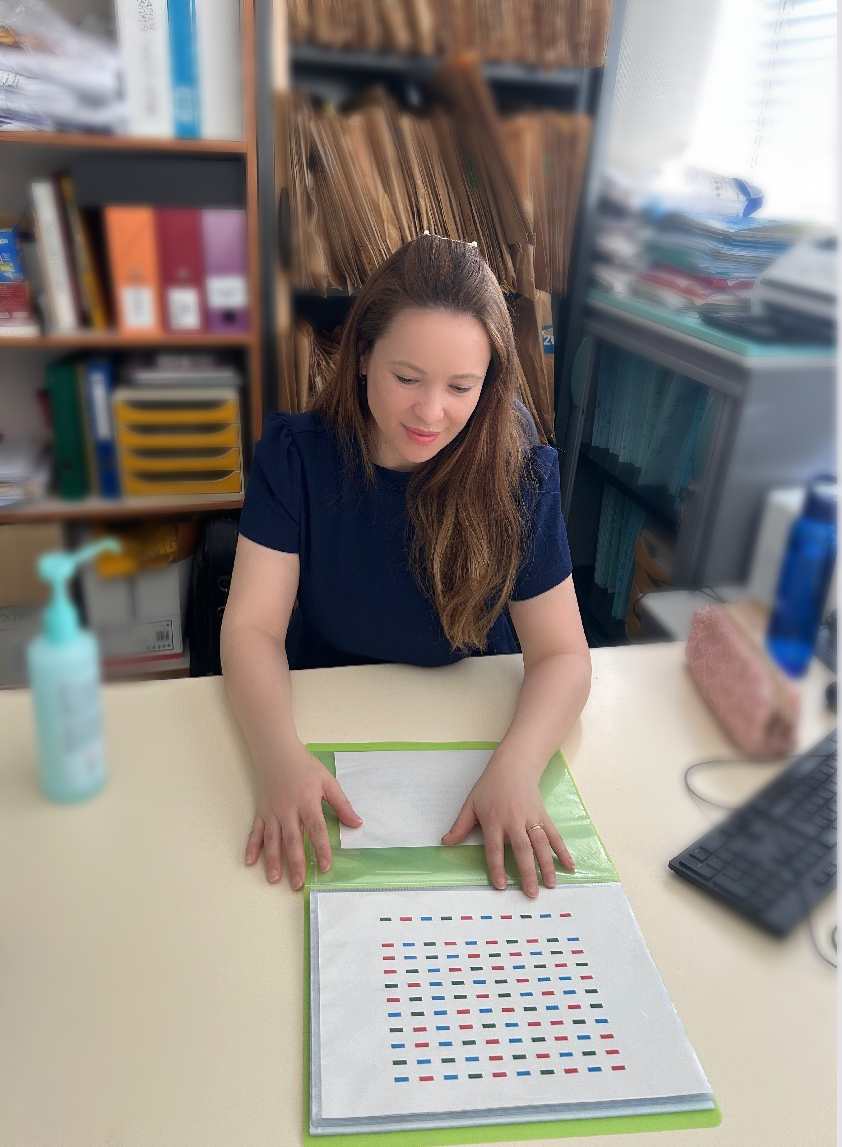
DC14 Maria Carolina F.A. Oliveira (UPC)
Month 1 - DECEMBER 2025: I attended the Journée d’accueil organized by the Doctoral School and drafted the pilot study protocol entitled “Cognitive and Social Decision-Making Skills in Adult-Onset Myotonic Dystrophy Type 1 (DM1)”. This included defining the study objectives, hypotheses, methodological design, participant eligibility criteria, assessment procedures, and outcome measures. Based on a literature review to support protocol development, I selected the Iowa Gambling Task (IGT) and Social IGT as primary measures and developed a conceptual model presented to my supervisors to support discussions on study rationale and methodology. I also prepared all documentation required for ethical submission, including consent forms and participant information sheets, and finalized the protocol for the UPC Research Ethica, Committee submission.
Month 2 - JANUARY 2026: I conducted an extensive literature review on cognitive impairments in DM1, with a focus on decision-making processes, critically analyzing studies on executive functioning, risk-taking, reward sensitivity, social cognition, and prospective memory, including key publications on decision-making performance and alternative risk-based paradigms, which informed and refined the methodological framework of the pilot study. I also participated in meetings with laboratory colleagues to discuss prospective memory assessment tools and their potential integration into future phases of the doctoral project. In addition, the pilot study protocol and supporting documents were submitted to the CER for ethical review. Finally, I attended the first ENTRY-DM network meeting, where I presented my PhD project and engaged with consortium researchers.
Month 3 - FEBRUARY 2026: I developed and finalized my Career Development Plan in collaboration with my supervisors. Following the feedback received from the CER, I carefully reviewed all study documentation and prepared a detailed response letter addressing the requested modifications and clarifications. This process involved revising participant information sheets, consent forms, methodological descriptions, and data management procedures to ensure compliance with ethical and regulatory requirements. In parallel, I reviewed outcome measures used in DM1 and neuromuscular disorder research, focusing on their psychometric properties, clinical relevance, and feasibility, as well as statistical approaches for small samples and pilot data.
Month 4 - MARCH 2026: I finalized the assessment materials for the pilot study and implemented the Decision Making tasks (IGT and Social IGT) in PsychoPy, including coding task logic, feedback and data recording systems, and conducting multiple testing iterations to ensure reliability and standardization of administration procedures across participants. In parallel, I organized the study database and established GDPR-compliant data management procedures, including coding, anonymization, secure storage, and quality control. The ethical approval for the pilot study was obtained from the CER (N° IRB : IORG0010120-2025-133), allowing the project to proceed to the recruitment phase. Finally, I attended mandatory Doctoral School training sessions focused on Research Ethics and Portfolio Development, as well as online training activities organized by the ENTRY-DM network.
Month 5 - APRIL 2026: Participant recruitment and inclusion for the pilot study began during this month. A total of 6 patients with DM1 and 19 healthy controls were recruited and assessed. Data collection procedures included cognitive assessments, experimental social and cognitive decision-making tasks and questionnaire administration. All data were systematically scored, coded and entered into the database with regular quality-control checks. In parallel, I worked closely with a Master’s student to optimize and troubleshoot the PsychoPy tasks and coordinate recruitment and data collection activities, ensuring procedural consistency across sessions. Additional work was dedicated to preparing the CSI (Comité de Suivi Individuel) documentation and presentation materials. I also attended French language courses and completed several Doctoral School training activities focused on research tools and professional development
Month 6 - MAY 2026: I delivered the CSI presentation, a mandatory doctoral milestone, presenting the progress of the project, methodological developments, and planned next steps. I also prepared and delivered the Midterm Check presentation during the formal evaluation meeting, outlining the project’s progress, results obtained to date, and future research objectives. Recruitment and data collection continued, reaching 9 DM1 patients and 25 healthy controls, with preliminary statistical analyses conducted to evaluate data quality and task performance. Based on these results, I prepared and presented a scientific poster at the IDMC15 meeting, where I engaged with researchers and clinicians and received feedback for future work.
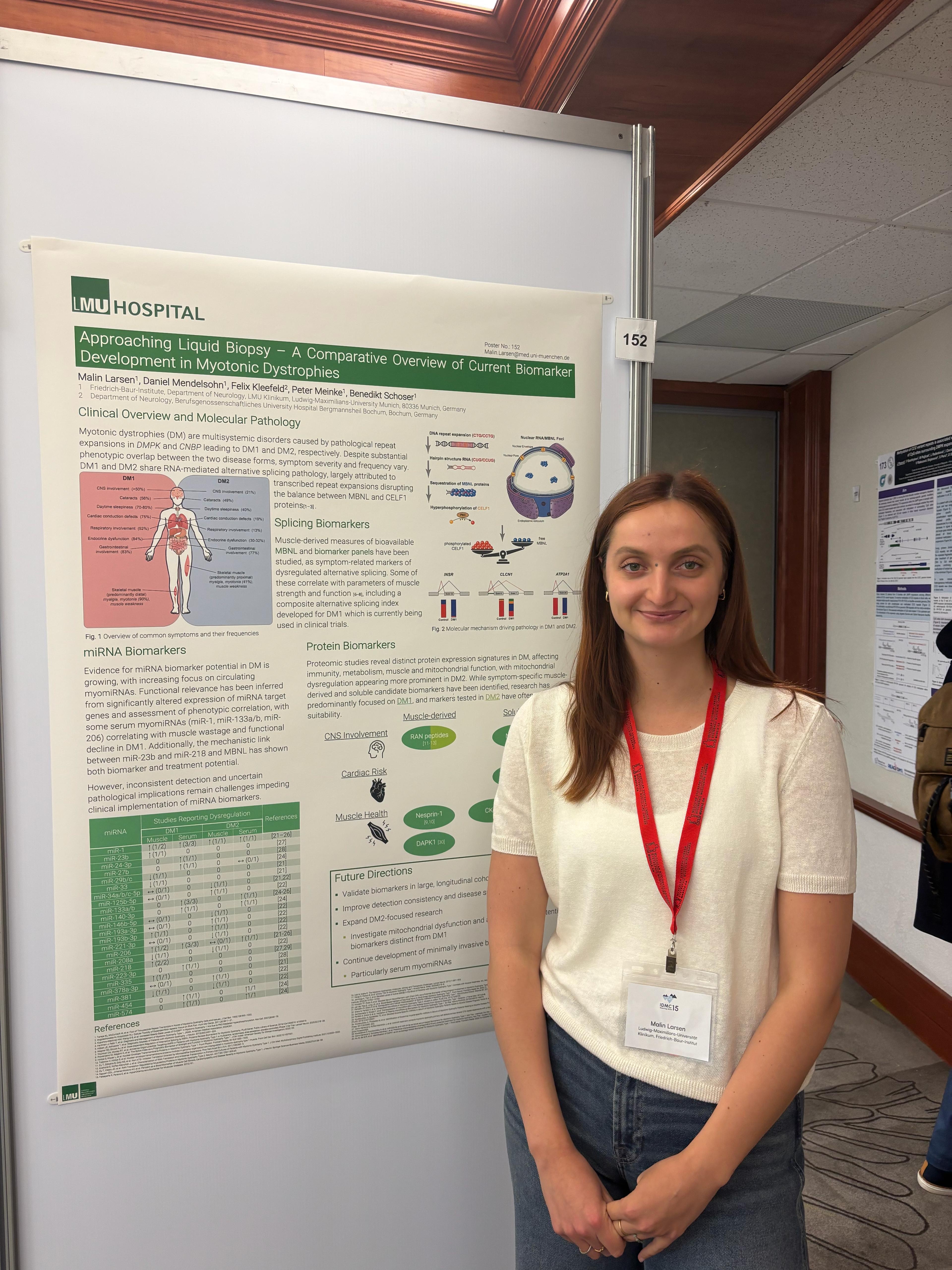
DC13 Malin Larsen (LMU)
Month 1 - January 2026: In the first month of my PhD, I spent a lot of time reading up on DMI and DM2, first on a more fundamental level, and then with a focus on available biomarker research, leading me to start writing a literature review. I also learned cell culture handling and helped with different experiments in our lab. Additionally, I attended the ENTRY-DM network introduction meeting in Paris.
Month 2 - February: I continued working on my literature review, writing a draft and creating preliminary figures. I also wrote project- funding application for a grant from the Deutsche Gesellschaft für Muskelkranke e. V. Additionally, I spent three weeks at the Universitätsmedizin Göttingen, learning the process of engineering microtissues from immortalised DM2 myoblast cells in the Zimmermann Department, where microtissue engineering is a well-established technique.
Month 3 - March: in March I focused on editing my review, helped run different cell culture experiments and assays in our lab and starter ooking into different proteomic approaches to propose a plan for a serum proteomics biomarker discovery experiment
Month 4 - April: In April I took over a longitudinal cell culture study from a student leaving the lab, finished editing my review paper and submitted the manuscript to the Journal of Neurology. I also established a plan for the proteomic serum experiment, for which we were able to organise a collaboration with the Mann Department at the Max-Planck-Institute in Munich, to analyse our samples via Liquid Chromatography-Mass Spectrometry (LC-M
Month 5 - May: In May my review paper was accepted for publication following some minor edits. I also prepared the serum samples for the proteomics study, started planning for a single-nuclei RNA sequencing study of a smaller cohort of DM2 biopsies, and attended the biannual international DM conference - IDMC-15 - in Canada, where I presented a poster about the review I wrote.
Month 6 - June: In June I received the LC-MS data, allowing me to carry out bioinformatic analysis on my first omic DM-data, which involved testing various approaches to get a better grasp of the data and enhancing my bioinformatic skill set. I also started planning a potential metabolomic study of the same cohort. Additionally, my DGM e.V. project funding application was accepted in June, increasing the flexibility of my future research plans by providing further financial support.
DC4 Moubani Das (CECS)
Month 1 (February 2026): Arrived in France from Germany and attended the first ENTRY-DM meeting in Paris before joining the CECS laboratory in February, where I initiated the required institutional and national administrative procedures. I completed mandatory safety training and familiarized myself with the laboratory environment, facilities, and research equipment.
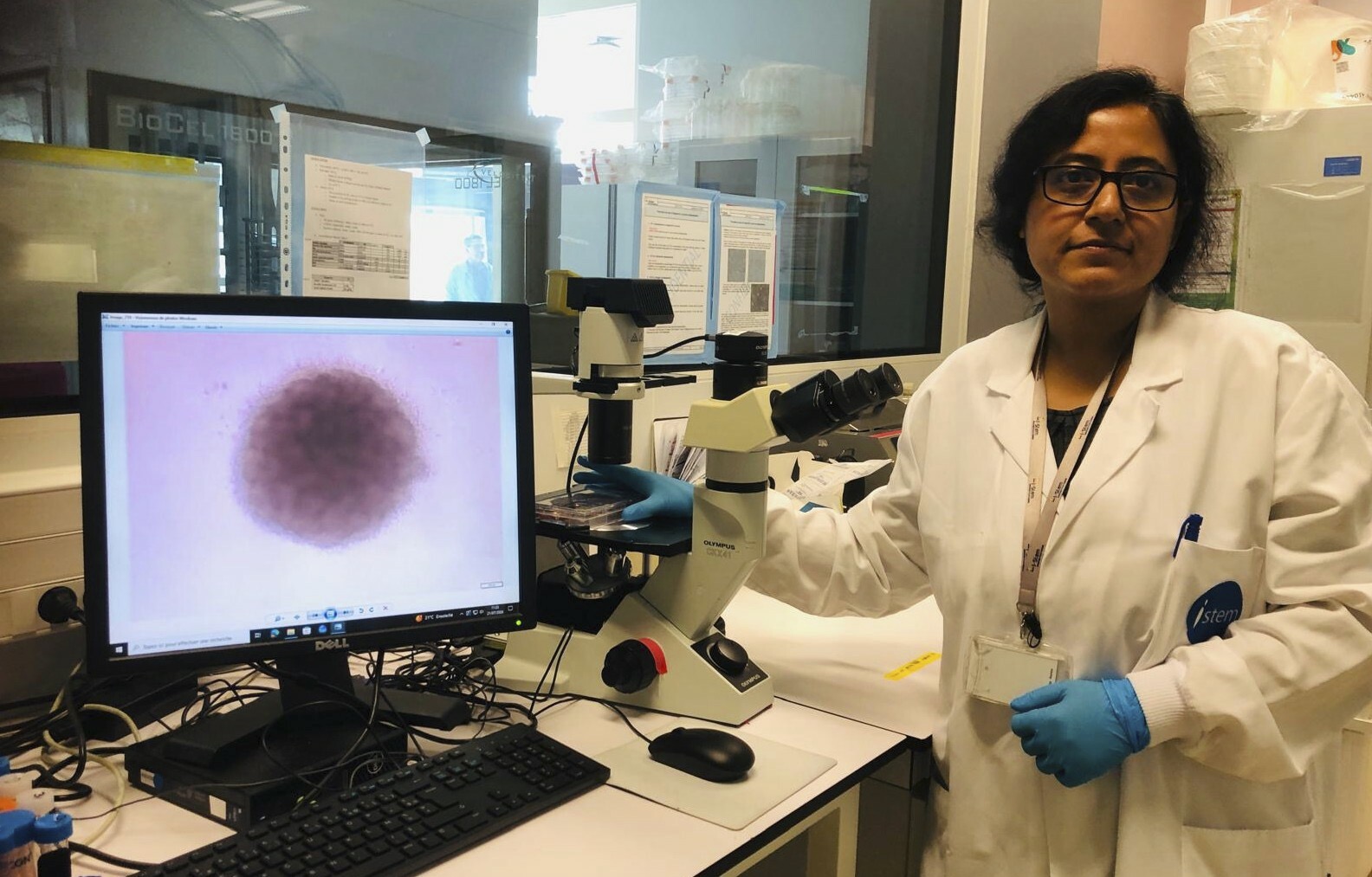
Month 2 - Conducted literature review and independently familiarized myself with the human cortical organoid (hCO) development and staining protocols provided by the previous PhD student. Initiated DM1 patient-derived and healthy control iPSC cultures and hCO differentiation, while completing short training and introduction in OCT cryosectioning, NanoSpec measurements, and qPCR from the responsible personnels in the lab.
Month 3 - Completed introductory training in spinning disk microscopy, continued hCO differentiations, established a working bank of patient-derived iPSCs with cryopreservation, and designed and initiated dose-response experiments to evaluate the chronic effects of a candidate drug on rescuing late-stage neurodevelopmental defects in DM1 hCOs. Performed immunostaining and spinning disk imaging of 4-month-old DM1 hCO cryosections from the previous PhD student for RNA foci and cellular characterization and observed Western blot experiments performed by my co-supervisor as part of methodological training.
Month 4 (May): Completed introductory training in Clariostar, continued launching new hCO differentiations for future experiments by focusing on detailed documentation, started hCO differentiation for establishing a protocol of Luciferase assay for rapid quantitative measurement of DMPK expression in hCOs.
Month 5 (June): Progressed in establishment and optimization of a luciferase assay protocol for rapid quantification of DMPK expression in hCOs, presented the analyzed results to my supervisors, and evaluated MBNL1/2 immunostaining antibodies through image analysis. Continued generating new 1- and 4-month hCO differentiations to reproduce the previous PhD student's findings and support disease characterization studies, attended iSTEM/CECS annual meeting for 2 days.
Month 6 (July 2026): Continued reproducing DM1 disease characterization in 1-month hCOs through cryosectioning, immunostaining, microscopy, and image analysis, while generating new hCO differentiations for future studies. Initiated functional characterization of hCOs using calcium imaging with the Functional Drug Screening System (FDSS), focusing on assay optimization, including organoid age selection, electrical stimulation parameters, and chemical modulator.